
Soccer Parent Lifestyle Magazine


Power of Video in Soccer Recruiting: How to Create a Highlight Reel That Gets You Noticed
by Christian DeVries


As a college soccer coach, I’ve seen everything from high-end video productions to simple videos made with an iPhone from players eager to showcase their skills. In the early years of my career, I would have stacks of VHS tapes in the office.
In today's highly competitive world of college soccer recruiting, a well-crafted highlight video isn’t just a nice-to-have—it’s an essential tool that can set you apart from hundreds of other players vying for a coach’s attention. And with so many athletes competing for limited roster spots, the right video can be your ticket to getting noticed.
But creating a video isn’t just about stringing together clips of goals and fancy footwork. It’s about telling your soccer story in a way that showcases your best moments and captures what you bring to the game. Let’s dive into why video is crucial and how to create a reel to make coaches hit the replay button.

Why Video is a Game-Changer in Soccer Recruiting
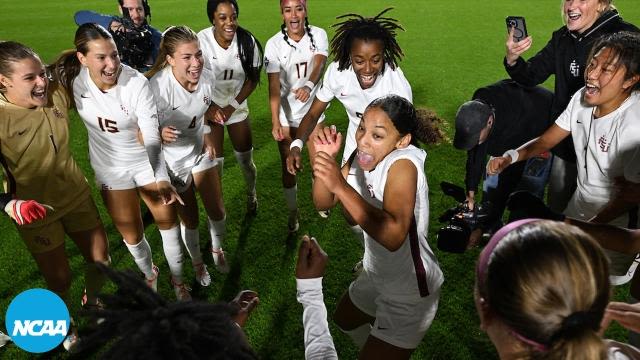
College soccer recruiting is more competitive than ever. Coaches have limited time and resources, which means they can’t attend every showcase, game, or tournament. A standout highlight video lets you bring your game directly to them, regardless of where you play. Video is the great equalizer—it gives every player, whether in a top league or a local club, the chance to be seen.
But the process isn’t just about being seen; it’s about ensuring you’re showing the right things in the right way. Let’s break down how to create a video that grabs attention and effectively showcases your talent.

Show the Best of Yourself
Your video is your soccer resume. It should highlight your top skills, key moments, and unique abilities that make you stand out on the field. Here’s how to do it:
- Focus on Position-Specific Skills: Make sure your clips demonstrate the skills coaches expect from players in your position.Forwards: Show off your goal-scoring ability, assists, and offensive plays. Highlight your speed, movement off the ball, and clinical finishing.Defenders: Highlight tackles, interceptions, and your ability to read the game. Show clips of your 1v1 defending and your aerial strength on set pieces.Midfielders: Demonstrate your playmaking abilities, key passes, and moments of controlling the tempo of the game. Show your vision, creativity, and impact on both ends of the field.Goalkeepers: Showcase your best saves, command of the box during set pieces, and distribution skills. Coaches want to see how you organize your defense and react under pressure.
- Compete Against Strong Competition: Coaches want to see how you perform against tough opponents. Include clips from games against high-level teams; this shows you can handle pressure and excel against quality competition.
Catch the Coach’s Attention Early
You have a small window to make a big impression—most coaches decide within the first 20-30 seconds if they’ll keep watching. Your first 4-5 clips should be your best, displaying your most impactful moments.
- Start Strong: Begin with a highlight that immediately grabs attention—this could be a stunning goal, a crucial tackle, or a key play that shows your intelligence and skill.
- Maintain the Momentum: Keep the energy high by following up with plays that highlight different game aspects. Consistency is key—coaches want to see that you can perform at a high level repeatedly.

Highlight Reel Length and Updates
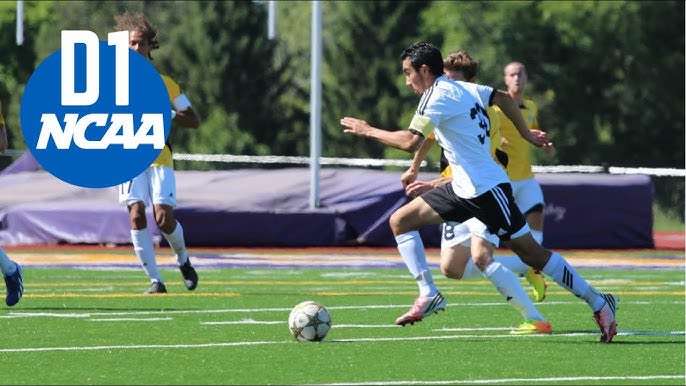
- Keep it Concise: Aim for 3-4 minutes in length. Longer videos can become repetitive, so keep your video focused and dynamic.
- Update Regularly: Recruiting is a process, and so is your development as a player. Update your highlight reel regularly to show your progress and growth over time. Coaches appreciate seeing how you’ve improved, especially if they’re following your journey.
- Have Full Game Footage Available: Coaches may request full games to get a complete view of your play. Make sure you have a couple of games recorded and ready to share if asked.
The Equalizer: Leveling the Playing Field
For players who aren’t in top-tier leagues or high-profile teams, a well-made highlight video is your chance to level the playing field. Your video can show your skills, passion, and potential just as effectively as a player from an elite academy. By putting your best foot forward in your video, you can stand out and attract interest from college coaches who might otherwise overlook you.
Make Sure Coaches Know Who to Watch
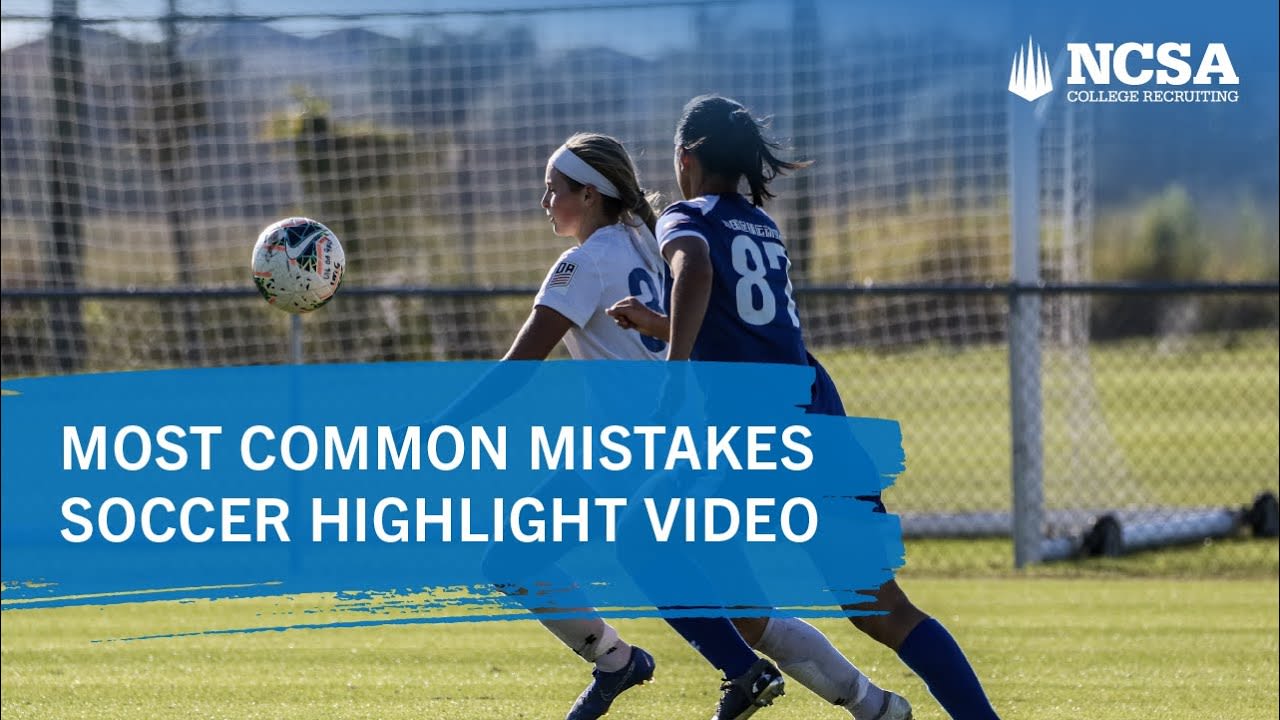
One of the players' most common mistakes in their highlight videos is failing to identify themselves in the clips clearly. Coaches are busy and don’t have time to guess which player you are on the field. Make it easy for them by clearly marking yourself in each clip.
- Use Highlight Tools: Most video editing software has basic tools like arrows, circles, or spotlights that can be used to highlight you at the start of each clip. Use these tools to draw attention to yourself quickly before the play begins.
- Freeze Frame or Zoom In: Adding a brief freeze-frame or zooming in on yourself at the beginning of each clip helps coaches identify you instantly. Keep this segment short—just enough to get the point across without interrupting the flow of the play.
- Consistent Marker Style: Keep your markers consistent throughout the video. Whether it’s a circle, an arrow, or a spotlight effect, use the same style so it becomes intuitive for coaches as they watch.
- Include Your Jersey Number: Make sure your jersey number is visible in the video whenever possible. Mention your number and position at the beginning of the video so coaches know exactly who they’re evaluating.
By marking yourself clearly in each clip, you save coaches valuable time and keep their attention focused on what matters most—your performance. This simple step can make a big difference in how effectively your skills are showcased.

Common Mistakes to Avoid
- Avoid Highlighting Routine Plays: Coaches aren’t interested in seeing basic passes or non-impactful plays. Focus on moments that show your influence on the game.
- Don’t Overdo the Music or Effects: Keep your video professional. Avoid loud music, flashy transitions, or effects that distract from your performance.
- Low-Quality Footage: Clear, high-quality video is essential. Grainy or shaky footage makes it hard for coaches to evaluate your play properly.
Take the Next Step in Your Recruiting Journey
Creating a standout highlight video is just one part of your recruiting journey, but it’s a crucial one. To learn more about how to craft the perfect video and other key aspects of the recruiting process, join the “Complete Player Pathway” video series. Our series dives deeper into what college coaches are really looking for and provides step-by-step guidance on creating highlight videos that get results.
GET THE VIDEO SERIES => How to Create a Highlight Reel That Gets You Noticed
Your journey to playing college soccer starts with being seen. Make sure your video says all the right things. Get noticed. Be memorable. And let your talent shine.
–
Christian DeVries
Christian is a husband, father, and coach. He has coached men's and women's soccer at the college level for the last 28 years. His coaching journey inspired him to start AOS - The Athlete of Significance, The Complete Player Pathway, and Coaching the Bigger Game.
Christian believe one's true potential is achieved through a mindset shift from "success and goal-oriented" to "Significance-focused." He wants to help athletes and coaches find their purpose outside themselves and live a life of Significance. Once you experience Significance, winning will no longer be the goal.
Insights into The Demands of Playing at the D3 Level
by DJ Stieber


I recently accepted an assistant coaching opportunity to work with Rutgers-Camden (RUC) men’s college soccer program. As someone who is passionate about the game and with experience working with soccer players from the youth through high school levels, this was an easy decision and logical next step in my journey. In this role, I’ve been tasked with leading the team’s physical preparation, strength and conditioning and recovery/regeneration. And it’s something I’ve always wanted to do.

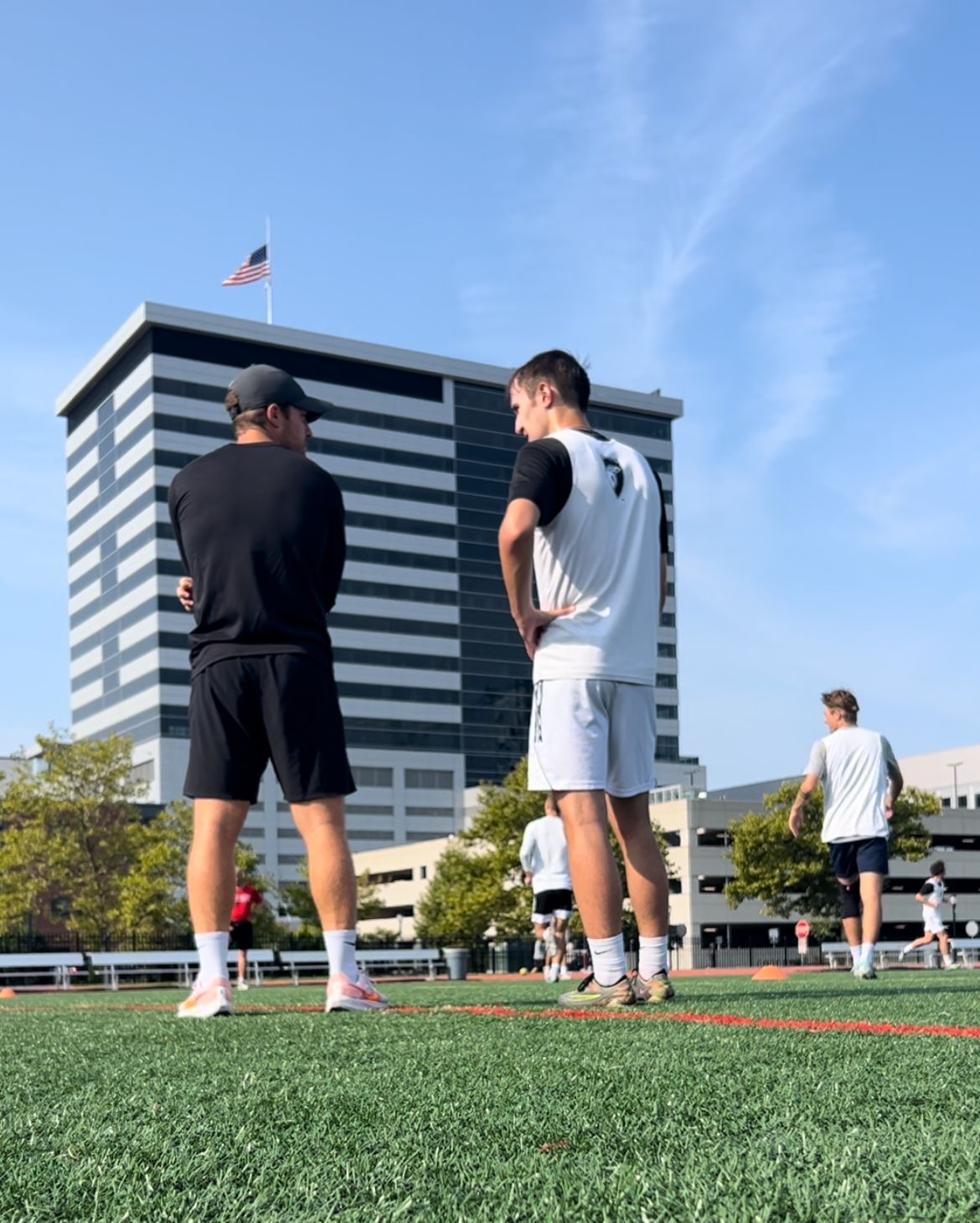
First, a little bit about the program.
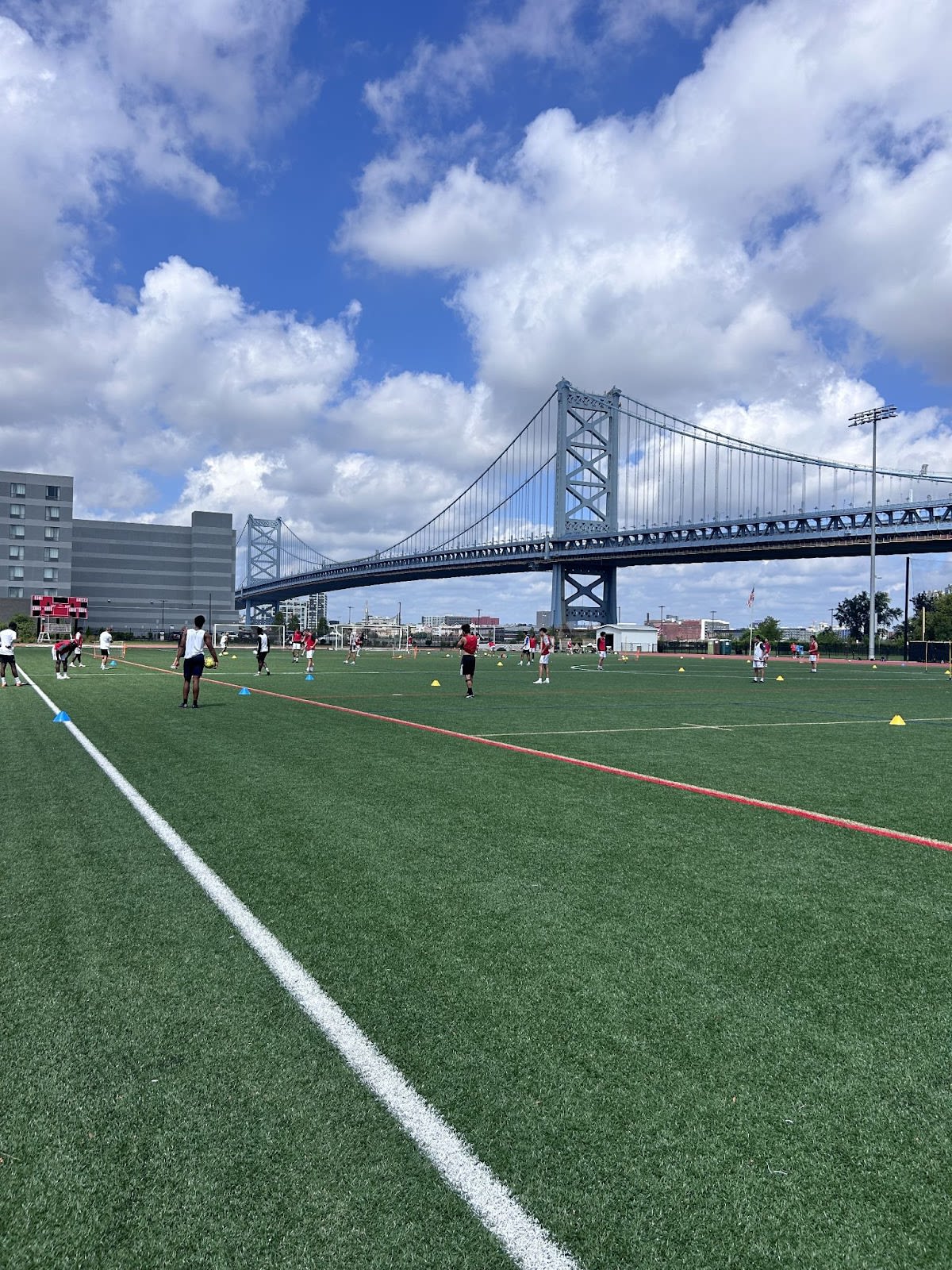
Rutgers-Camden is a D3 school located across the bridge from Center City Philadelphia. It boasts a picturesque landscape to play at (located directly under the Ben Franklin Bridge) and has a rich history, This current team is trying to recapture the success that the program had between 2008-2014. The team plays out of the New Jersey Athletic Conference (NJAC), well known as one of the toughest conferences to play in the country due to its physicality and smash mouth tactics. And while I’ve only been in the role since August, I’ve had the unique opportunity to compare the levels of play to the high school team I work with which gave me the idea for this article.


(Home field being re-turfed this season)
I feel like D3 soccer doesn’t get the credit it deserves. Tactically I’ve learned more about the game in a month than I have in my entire lifetime of watching soccer. More importantly, while I imagine most kids have aspirations of playing D1, I wanted to highlight just how physically demanding, and challenging it is to even play at a smaller school like RUC. This is due largely in part to the type of soccer that gets played in the NJAC which again requires a high degree of fitness, physicality, strength, discipline and of course technical competence. I wanted to touch on some of these points because it highlights aspects of physical development I think most soccer players neglect.
Speed of Play
On any given day I might be bouncing between the high school team I’m working with and RUC. And I’m constantly reminded at the difference in speed of play, not just during matches but even during training sessions. The time you have in club and in high school feels like an eternity compared to speed at which you have to make a decision at the collegiate level. Teams are pressing higher, individual players have better engines and will close down quicker. I’ve seen talented players who were some of the best in South Jersey and mentioned in the state struggle to keep up with things.
Players who were previously known to dribble through entire teams because they were the best player suddenly find themselves lost trying to get the ball off their feet, as decisions have to be made in an instant. At this level every player is quality, and it’s interesting to see some of these players have struggled to adapt. The emphasis here is less on individual brilliance and more about how you fit into the pattern of play of the team. If this is the jump in quality required from the club/HS level, I imagine an even greater leap to that of the DII, and D1 levels as well.
Soccer IQ
Everyone talks about Soccer IQ. Heck, I thought I was a student of the game and had a good grasp on concepts, but this first month has been an education for me as well. From patterns of play, to tactical shape, to pressing triggers, there’s so much that occurs in the game OFF the ball. And so often we focus on improving the individual skills that honestly, happen less often in the game.

The thing that has impressed me most is just how critical Soccer IQ is at this level. Again, most kids have the talent to be here, but the players I’ve seen succeed are the ones who come in with some tactical understanding and the ability to see the field better than others. To adapt on the fly based on what the other team is doing, and make the adjustments our coach is trying to make. If your child isn’t watching college/professional soccer, not only as a fan but as a student of their respective positon, then they will likely have a hard time making the jump to the next level. At least early on. Hone in on your position, watch how they move and how they find space, and incorporate that into your game.
Physicality/Strength/Fitness
And now to the point I’m best at speaking on and influencing. I’ll start with a disclaimer:
If you have a child that is on the smaller side and they have dreams of playing collegiately, then 100% they need to be training NOW.
We came back from a road trip to VA to play two teams in the top 25 and I was blow away at how much bigger and stronger the kids were on this team. We have some height on our team, but the physical dominance of some of these players we went against was impressive, and the speed and power they displayed on the ball was just as brilliant. I’m not saying your child needs to look like Arnold in the 80’s, but they do need to have a strong build. And in my experience, that is often what will separate a D1 and DIII player. If they look physically more developed, are faster and just more athletic, they’ll probably catch a coach’s eye over their smaller counterparts. American sports cry out for athleticism, and soccer is no different. Combine that with someone with equally good technical ability and Soccer IQ and you have the perfect combination.
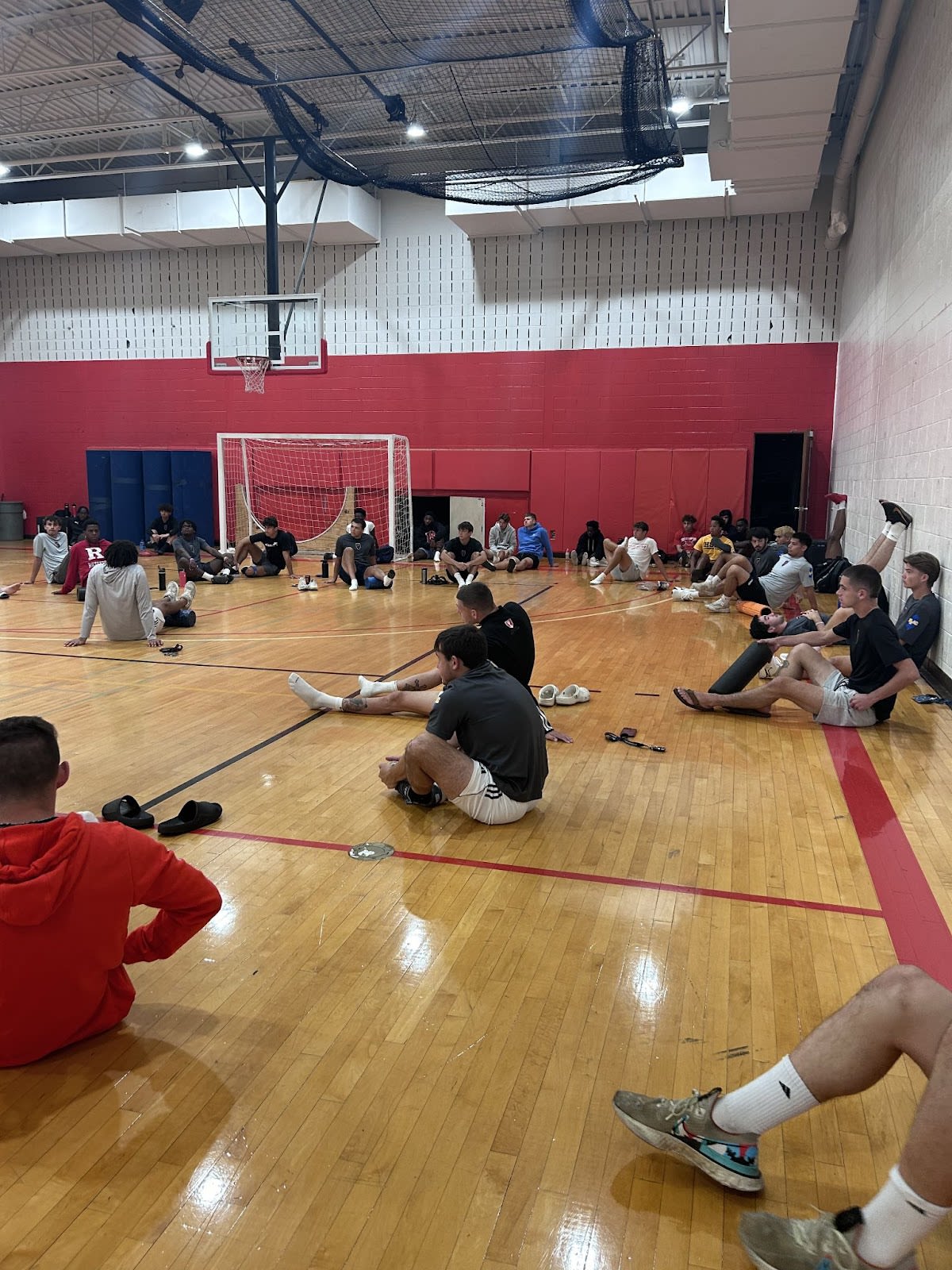
(Team regen session during preseason)
The nice thing about this role is that I have an athlete who I worked with in the summer transfer into this program. So I’ve gotten to see the work he put in over the summer serve him well in terms of staying fit and staying available. We’re about at the mid-point in our season, and the kids that have faired the best are the ones who came into the season physically prepared, who continue to look after their bodies, who continue to put in work in the gym even during the season, and the ones who execute on all the other little things outside of playing.
With the amount of games being played, sometimes 3 in a week or 2 matches back to back, fatigue, breakdown, and injury are inevitable. But it’s the kids who came in the most ready and continue to put in the work that remain on the field. We’ve been a bit unfortunate with certain contact injuries that we’re largely unavoidable, but I’m convinced if more kids were following the supplemental work for gym and recovery, the little knocks and soft tissue injuries could be even less.

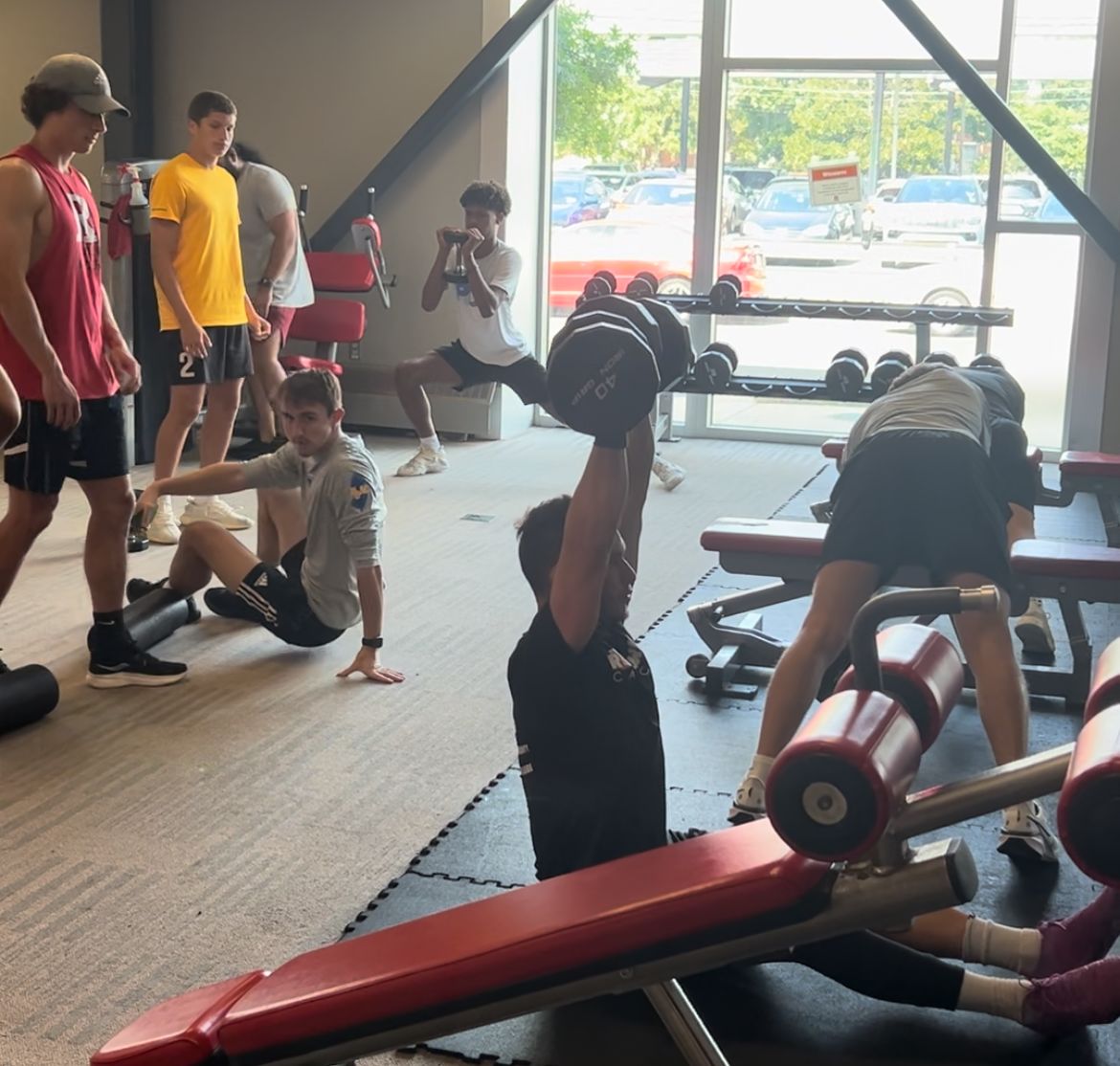

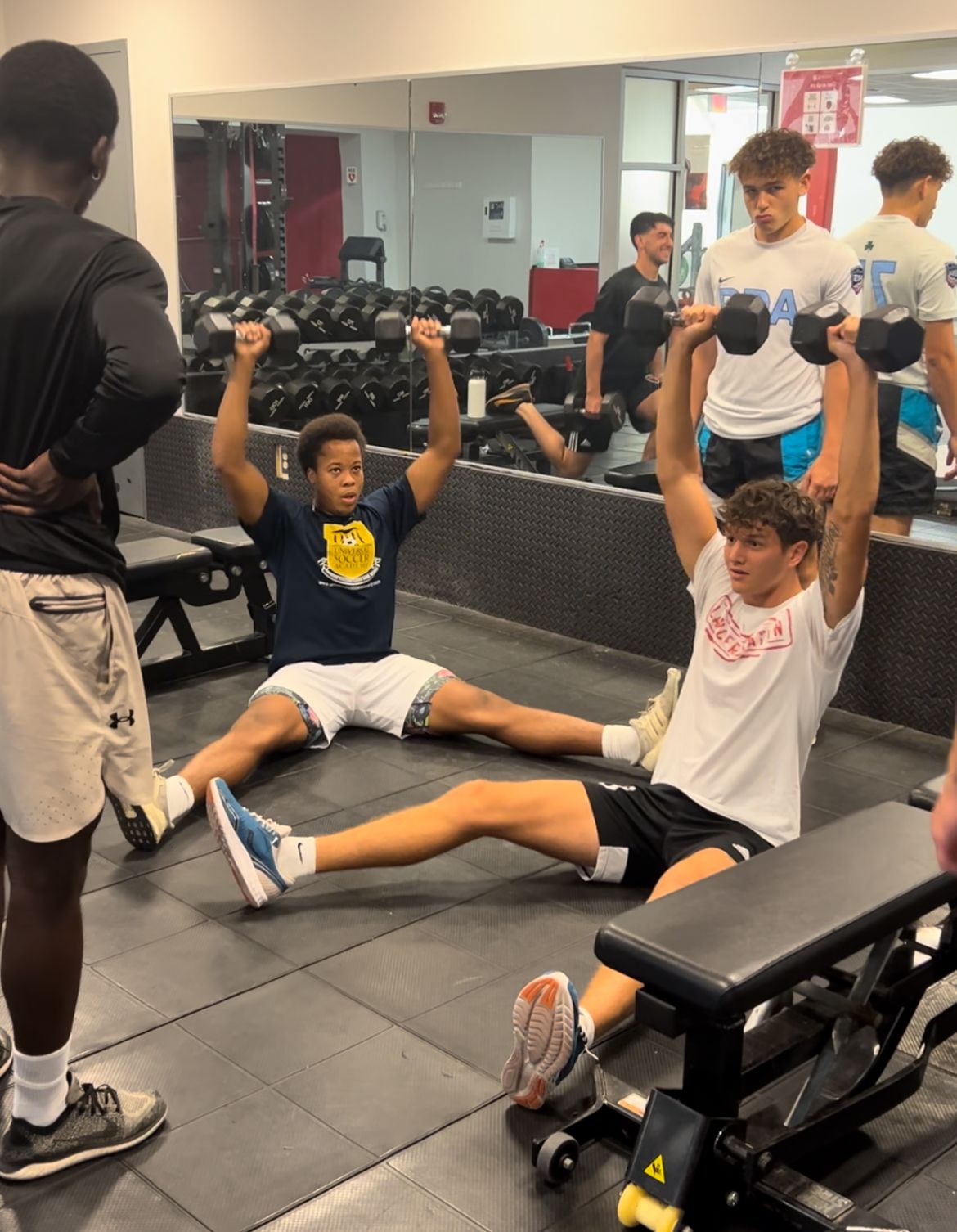

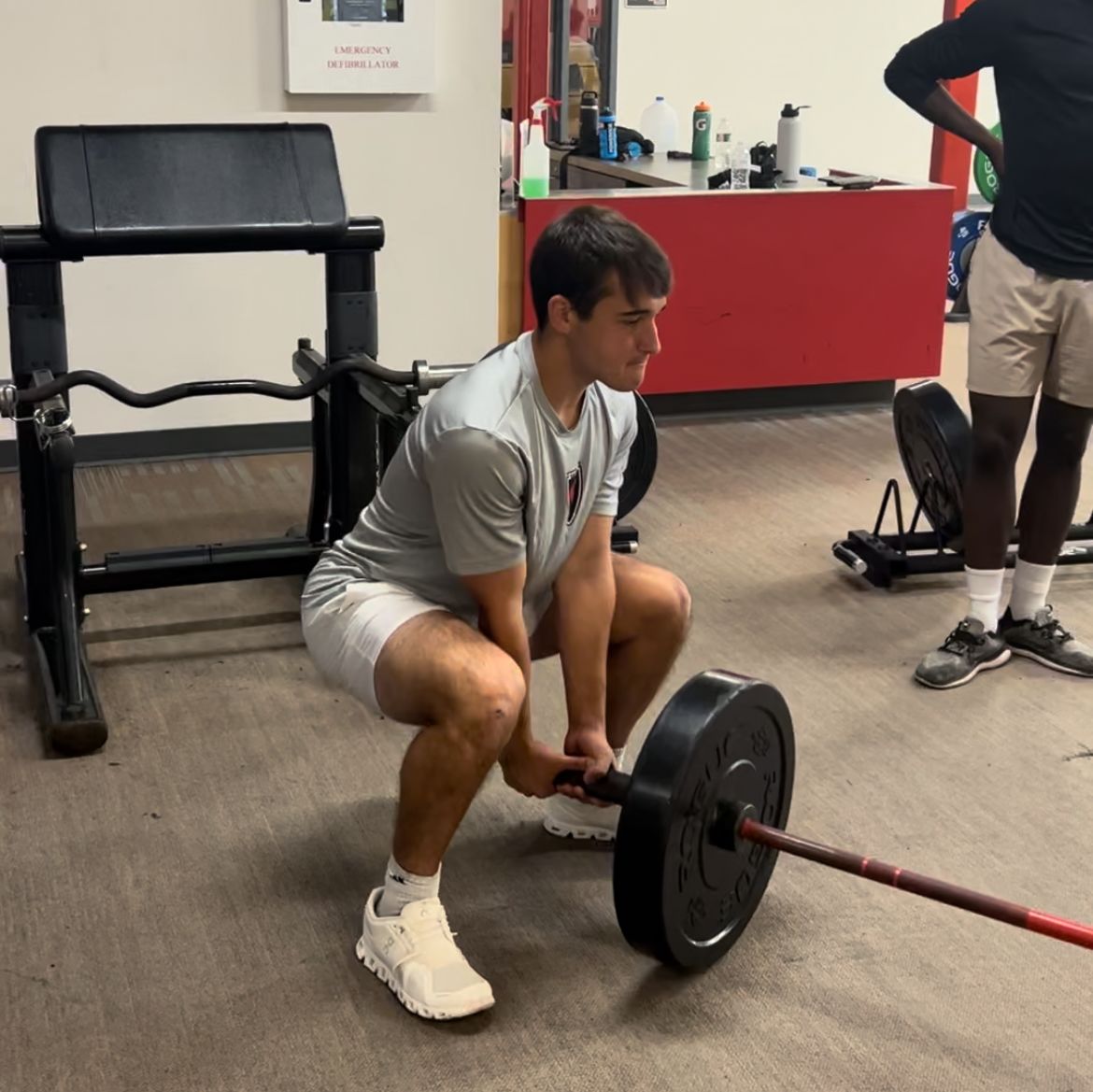
(team lift in season)
It’s the act of creating a habit. Start training now so that when you get to the next level, not only are you more physically fit and prepared but you won’t have to even think if you should be doing it. Because you’ll have experienced the impact first hand and realize how you ever got on without it. I’ve made the point in multiple posts that training needs to be a YEARLONG endeavor, not something you only do 3 months a year. Training, matches, other life stresses are all like withdrawals from your body’s bank account. Training can be the deposit necessary to combat those things, when prescribed smartly and with proper understanding of volumes and intensities required to restore rather than create further break down. I promise you almost every piece of literature is in favor of kids strength training throughout the season as a performance enhancer and our best tool at preventing injuries.
There are not many things that we can say can aid in preventing injuries, but getting stronger is certainly one of them.
I know none of this information is probably earth shattering, or something that hasn’t been stated before, but even I have been taken aback at how massive a jump up it is to play at this level. And I hope parents, kids, and coaches realize this.
It’s not easy physically, mentally and emotionally. To play soccer at the next level requires a certain level of attention to detail, not just on the technical aspects of the game but in all areas that create a well rounded student-athlete. I didn’t even mention the jump in demand in academia as well which is yet another aspect for kids to consider.

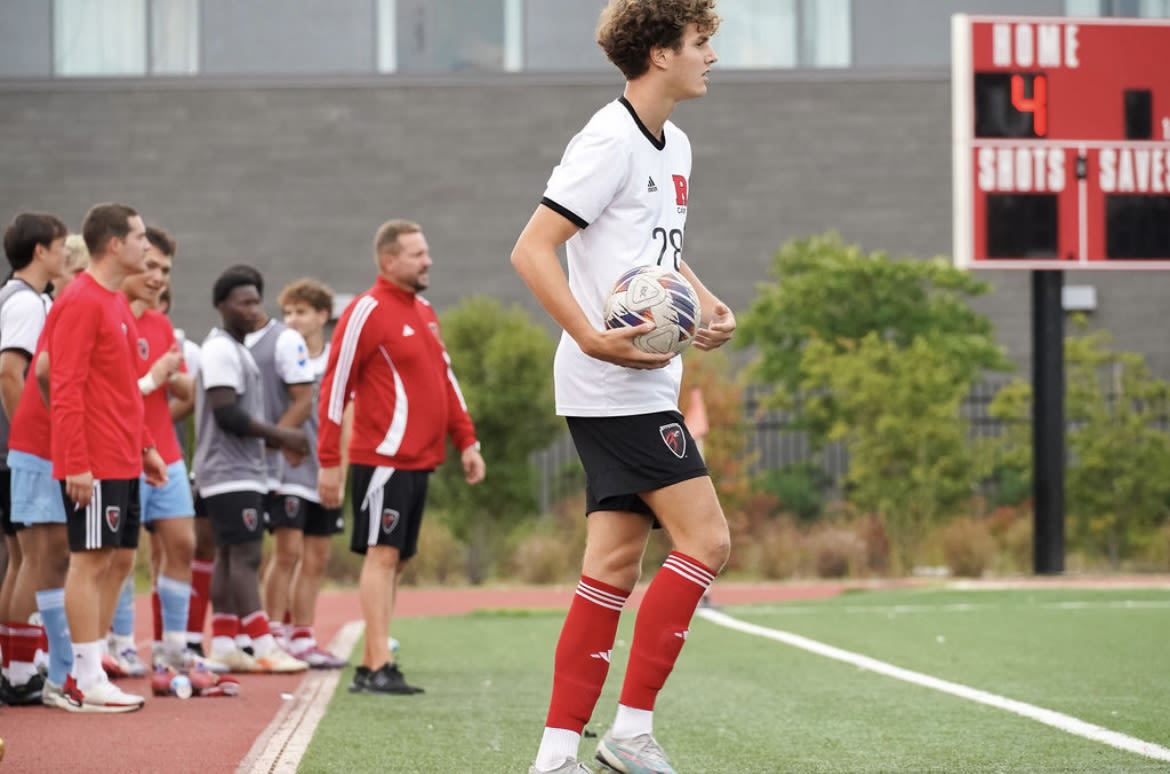
All of this is to say if there are legitimate aspirations of playing college soccer at the next level, and you haven’t considered the above points, you should probably start now. I’ve only been here since August and these are the observations I’ve made in that small amount of time. By the end of this season, and surely if I’m able to stay involved in the program for years to come, I hope to uncover more aspects that I can use to assist my own practice as a performance coach and physical therapist as well as help kids reach their full potential.

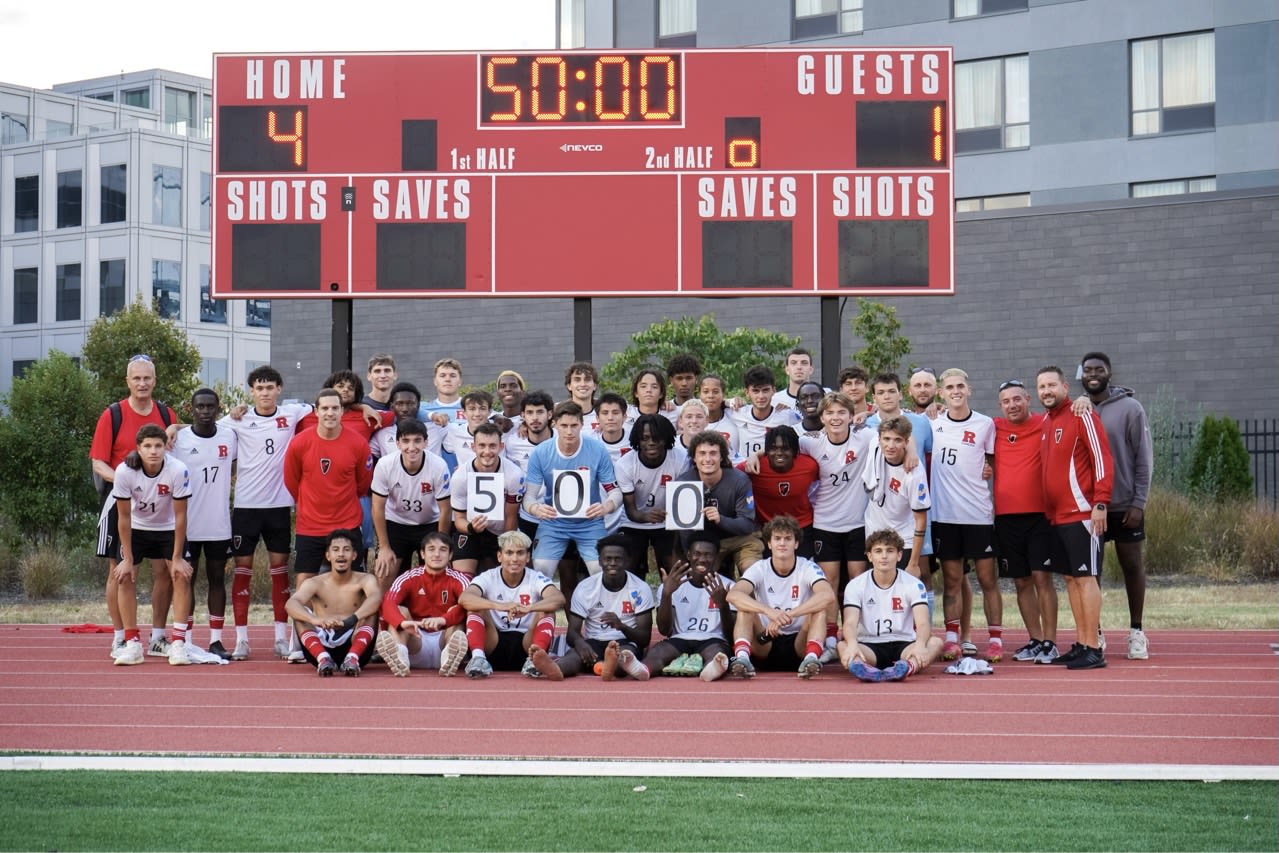
(team pictured celebrating the program’s 500th win)
It’s always nice to hear feedback on these articles if they’re providing value or if there’s a topic you’d like me to discuss. Always open to hearing from readers so if you have any suggestions, please send me an email directly at djstieber@taerehab.com or get in touch via our social platforms!
📸 Personal Instagram: https://www.instagram.com/dpt.coach.djstieber/
📸 Business Instagram: https://www.instagram.com/the_athletes_edge.pt/
🎥 Tik-Tok:https://www.tiktok.com/@dpt.coach.djstieber?is_from_webapp=1&sender_device=pc
The Power of Mindset: How Goal-Setting and the 1% Better Mentality Led Me to Achieve My Soccer Dreams
by Channing Chasten


As a young soccer player with big dreams, I learned early on that talent alone wasn’t enough to get me to where I wanted to be. While natural ability played a part, it was my mindset, my commitment to goal-setting, and my dedication to getting 1% better every day that truly carried me through the challenges and setbacks on my journey to achieving my soccer dreams.


Starting Off with Big Dreams and Big Challenges
From the moment I kicked my first soccer ball at the age of 3, I dreamed of one day playing at the highest levels. My ultimate goal was to play college soccer at The Ohio State University—a dream that seemed out of reach at times. But that dream is what fueled me and pushed me to continue setting new goals for myself, even when the journey got tough.
I faced one of my first major challenges when I moved to a new club at 10 years old. Before then, I had always been one of the best players on the field, but suddenly, I wasn’t starting anymore. It was a shock to my system and my confidence. Again, at 13, I moved to another club, and the same thing happened. This time, it wasn’t just the coaches I had to prove myself to, but my teammates and peers—some of whom doubted my abilities. Even members of my own family weren’t sure I’d be able to reach the heights I dreamed of.
At moments like this, it would have been easy to give up, but this is where mindset became key. I realized that setbacks don’t define you—what you do in response to those setbacks does.
The 1% Better Mentality
That’s when I embraced what I call the “1% Better” mentality. The idea was simple but powerful: every day, no matter what happened the day before, I would aim to get just 1% better than I was yesterday. It didn’t matter if it was a small improvement in technique, fitness, or mental toughness—if I got just a little bit better each day, over time, those small wins would add up to major progress.
Goal-setting became an essential part of this process. Instead of focusing solely on the long-term dream of playing at Ohio State, I broke it down into smaller, achievable goals. Each training session became an opportunity to work toward those goals. Whether it was improving my first touch, increasing my stamina, or becoming more vocal on the field, I knew that every bit of progress counted. And each time I hit one of my short-term goals, I celebrated that win and moved on to the next.


Overcoming Doubt with Discipline
There were times when it felt like the whole world was telling me I couldn’t do it. Whether it was being told by peers that I wasn’t good enough, or hearing from people close to me that my dream was too big, the negativity could have easily weighed me down. But instead, I used it as fuel.
I trained harder. I worked when no one was watching. I took responsibility for my own development because I knew that if I wanted to achieve my dream, no one was going to hand it to me.
It wasn’t always easy. There were days when I didn’t want to train, days when I was tired, or frustrated by not seeing results. But that’s where discipline came in. A mindset without discipline doesn’t work. You have to push through the hard days, the doubts, and the fatigue because those are the moments that separate the good from the great.
The Payoff: Reaching My Dream
All of that hard work, discipline, and goal-setting eventually paid off. I did reach my dream of playing soccer at Ohio State University. It wasn’t an easy road, but that made it even more rewarding. I realized that my journey wasn’t just about soccer—it was about developing a mindset that could be applied to anything in life. The challenges I faced on the field prepared me for challenges off the field as well.
What I’ve come to understand is that mindset is everything. Whether you’re a young soccer player with dreams of going pro or a parent trying to instill valuable life lessons in your child, the power of having the right mindset can’t be overstated.

What I Want Soccer Parents and Players to Know
To all the soccer parents reading this: encourage your kids to set big goals, but also help them understand that it’s the small, daily efforts that will get them there. Praise them for their progress, not just their results, and remind them that setbacks are part of the process.
To the young players: remember that talent alone won’t get you to your dreams. You need a strong mindset, discipline, and a commitment to constant improvement. If you aim to get 1% better every day, over time, you’ll be amazed at how far you’ve come.
And finally, to anyone facing challenges and doubters: use that negativity as fuel to work harder, stay disciplined, and stay focused on your goals. Because with the right mindset and the willingness to keep going, you can achieve things you once thought were impossible.
That’s the message of The 1% Kid—it’s about believing in yourself, even when others don’t, and committing to being just a little bit better than you were yesterday.
Channing Chasten is a former soccer player at The Ohio State University and Phoenix Rising FC, now an entrepreneur, author, and motivational speaker. Passionate about inspiring young athletes, Channing shares his personal journey of perseverance and growth in his children's book, The 1% Kid. The book tells the story of overcoming challenges and staying focused on achieving big dreams, a message that resonates with kids, parents, and coaches. If you're looking for a book that inspires young people to believe in themselves and strive to be 1% better every day, The 1% Kid is a perfect choice!
Instagram: @channingchasten @the1percentkid
Tik Tok: @channingchasten @the1percentkid
Youtube: @the1percentkid
Letter To Soccer Parents (Especially New Ones)
by Karl Dewazien


Mom and Dad, you are your child’s first and most influential teacher/coach.
The stimulation and support you provide can instill a desire to play soccer. If your child plays only to gain your approval, their interest in playing may decline, and playing for its own sake is sacrificed. Make this learning experience Together as much FUN as possible so that your child becomes self-motivated and improves on his/her own.
Before the first practice, you should find out if your child is interested in playing organized soccer. Make a conscientious effort to listen to your child. Talk about mutual goals in playing soccer both short and long-term. Make all conversations’two-way.’ During your talks, it is very important to find out…if your child is really interested in playing soccer!
Begin the season by building a good working relationship with your child’s coach. You must keep in mind that the coach may be a volunteer with family and other responsibilities. Find out what your child’s coach expects of your child so that you can reinforce those expectations at home. This means that you need to get to know each other on a personal basis. Freely and fully discuss your mutual needs, concerns, and expectations. Make all conversations ‘two-way’. Be sincerely interested in the coach and the assistance he/she may need.
Every child needs some assistance in developing a love/passion for soccer, and this can be developed by:
Reading about soccer Together.
First, you will show your child the value of reading. Second, you will be showing your child affection and providing comfort. Third, you will show your child that you are interested in developing and sharing in his/her interest. Finally, through the reading material, you may stimulate your child’s interest and establish that soccer is serious FUN and not serious work.
Watching games Together.
As you are watching games decide what you will focus on: A specific player, A specific technique, Specific running patterns… Ask your child to imagine themselves being part of the action on the field. Discuss the action on the field and find out if your child is really observing the game as a participant. But, remember the younger the child, the shorter the attention span!
Watching training DVDs’ Together.
Select only ONE technique per viewing. Plan to repeat each segment several times so that the subconscious can record the action. Look for a different aspects of the movement such as head movement, body movement, foot movement as separate focal points. Have your child explain to you what each movement would be if they were performing the movement.
Practice Together.
Find out what your child’s coach expects of your child so that you can reinforce those expectations at home. Or, have your child put into action what you read about or observed. When trying to show your child how the technique looks, be sure to laugh at your own mistakes. Your practice sessions should be short unless your child shows great interest in continuing. Practice Together today and every day! Since this will be your child’s only childhood, and they are available right now –Start playing right now. Delaying practice until tomorrow is always too late, so practice together today because sometimes tomorrow never comes!
Play the 1 vs. 1 game Together.
Teach your child ‘how to’ set up a 1 vs. 1 field. Begin by having them hold two objects (ex: milk cartons) in each hand. With feet together move the right foot as far to the right as possible and place down the first object. Bring the feet back together and repeat the action with the left foot to the left side and again placing down the object. Taking the second set of objects walk about 10 big steps and repeat the previous sequence. There you have your 1 vs. 1 field ready to go.
Some Do’s you need to be aware of when playing 1 vs. 1 with your child:
- Do have a goal to attack and a goal to defend.
- Do offer light resistance so that your child does not become discouraged.
- Do allow your child to score.
- Do encourage them to dribble and attempt to make fakes and feints.
- Do allow them as many touches with the ball as possible.
- Do give them encouragement.
- Do have lots of FUN together!
Some Don’ts you need to be aware of when playing 1 vs. 1 with your child:
- Don’t hog the ball, your child needs to touch the ball as often as possible.
- Don’t’ make fun of your child or his/her mistakes, allow them to experiment without comments.
- Don’t make your child look foolish or silly, they need to be successful, or they may not want to play again!
A well-published author, Koach Karl has been a contributor to every major soccer publication in the U.S. and is a featured speaker at State, National, and International events. His “Modified Laws of the Game” for youth players, used by the U.S. Youth Soccer Association, has become the standard throughout the U.S. and Canada. Koach Karl is the author and publisher of the world-famous “FUNdamental Soccer” book series, the cornerstone of Youth Soccer practice and Small Sided games. https://fundamentalsoccer.com/
 Built with Shorthand